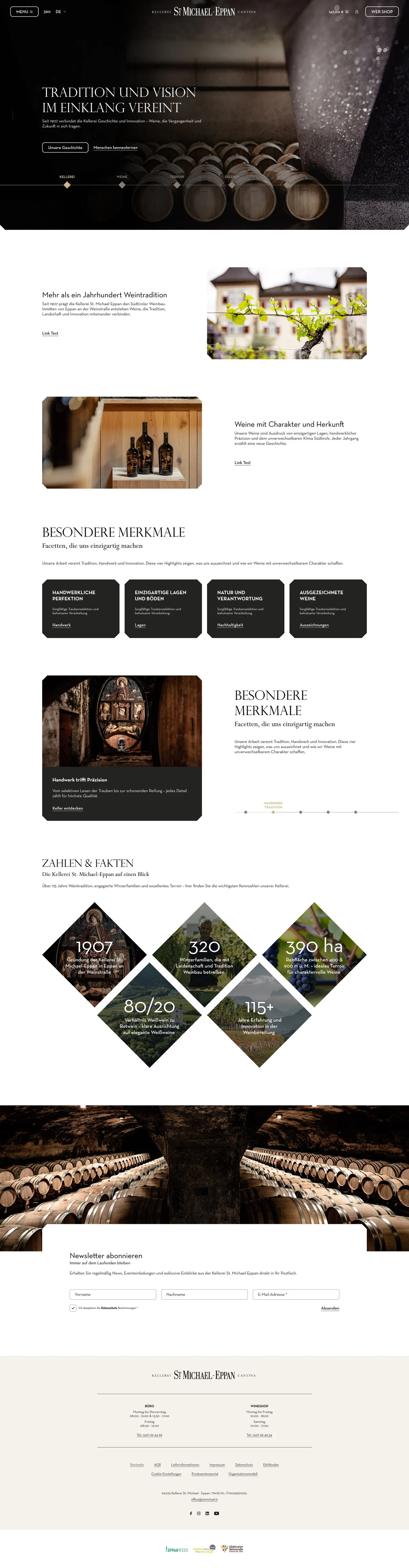
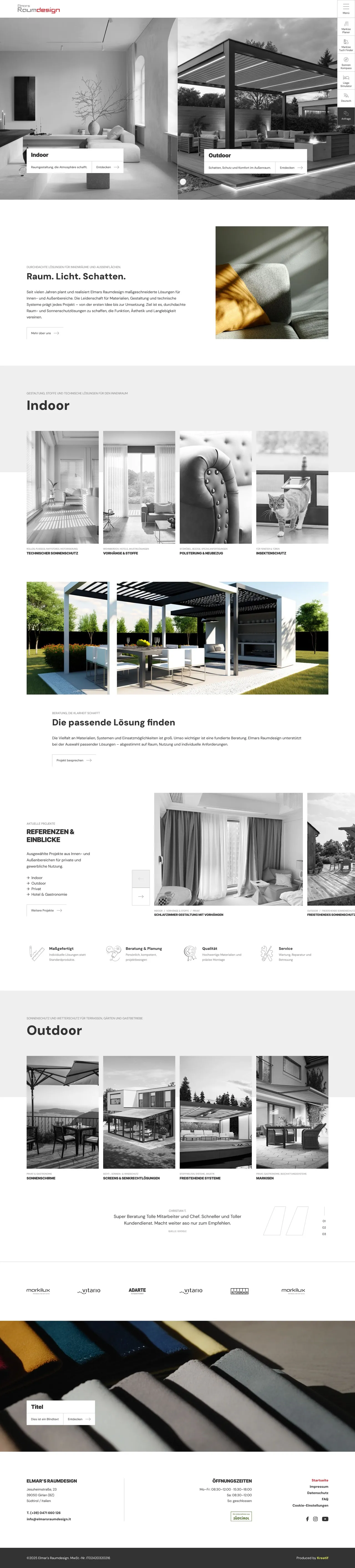
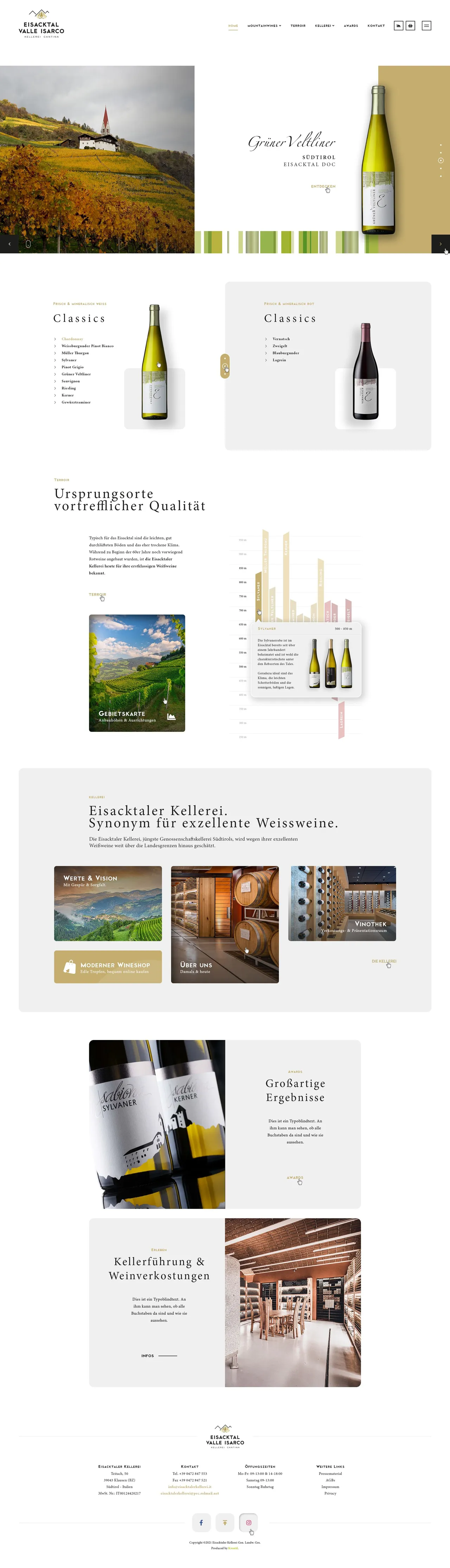
Store, online shop and warehouse in one.
Inventory management, online shop, stores, warehouse, payments and newsletter work with the same data. A price is changed once and is then correct in the shop, at the till and in the newsletter.
Your range. Your brand. Our experience.
We connect brand, product presentation and the systems behind each order.
Our view of the industry
An order is only well designed when the business behind it can keep up.
In retail, comparing and buying sit close together. A product has to make sense before anyone puts it in the basket. Images, variants and information together shape that decision. If a clear answer is missing, an eye-catching design will not make up for it.
Behind every purchase in the shop are processes in the business: availability, shipping and customer questions. When information is maintained in several places, contradictions can creep in. That is why inventory management, product data and the shop belong in the same conversation from the start.
A brand of your own needs its own tone in online sales too. That applies to product descriptions as much as to the message shown after an incorrect entry. A shop becomes personal through the right decisions and answers people understand. Additional features only make sense if they help with choosing or in everyday use.
In retail, nobody buys in just one place. People who search online collect in store; people who browse in store order later. For this to work, the shop, till, warehouse and inventory management need to know the same figures. We connect what is already there instead of adding yet another system alongside it.
Inventory management, online shop, stores, warehouse, payments and newsletter work with the same data. A price is changed once and is then correct in the shop, at the till and in the newsletter.
Colour, material and size are selected on the product and shown straight away. People who see what they are getting order with more confidence and send things back less often.
Once something is sold in the store, it can no longer be ordered in the shop. Stock levels and prices come from inventory management. There is no need for a second list.
Which items sell better online than in store? What needs reordering? The answer comes from inventory management. The AI only reads there and names its source.
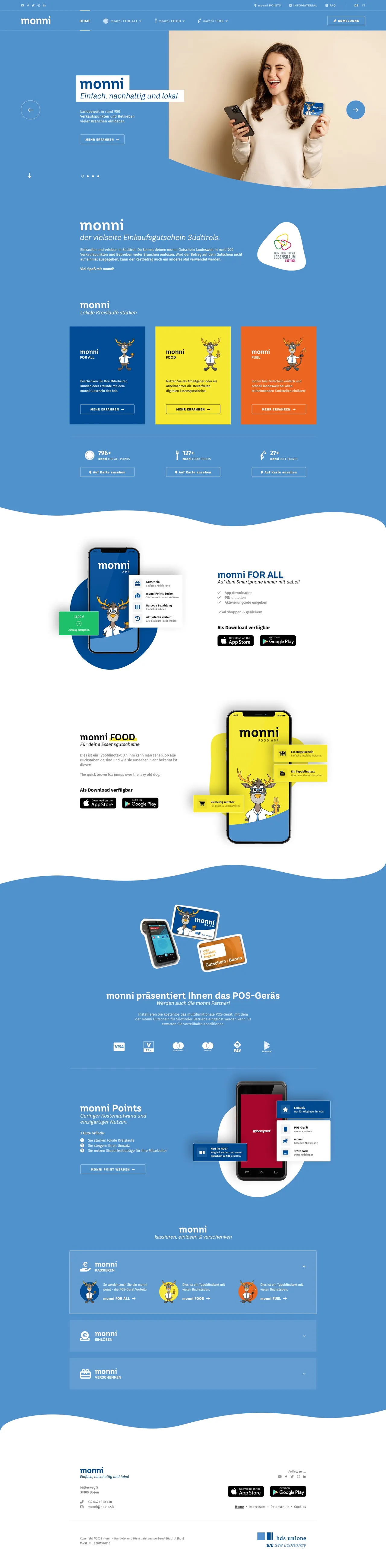
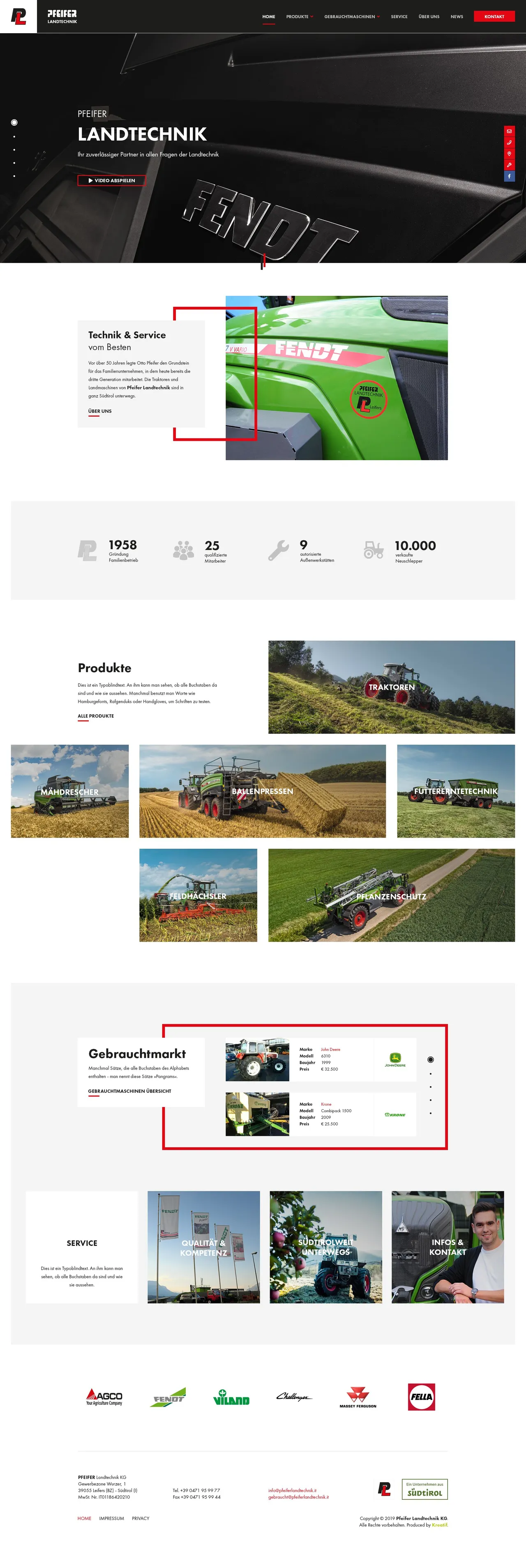
For the business association hds we are working on monni, the digital voucher for all of South Tyrol. Companies order it as a shopping, meal or fuel voucher for their staff and customers. It is redeemed via an app at more than 1,600 businesses in every sector.
Anyone who has bought an item receives news that relates to it instead of every offer. Consent is properly recorded, and unsubscribing takes one click.
Purchases made in store also appear in the customer’s shop account, with points, returns and the next suitable offer. Regular customers are recognised in the same way in both places.
 Case study
Wineries & distilleriesRetail & e-commerce
 Case study
Crafts & servicesRetail & e-commerce
 Case study
Crafts & servicesRetail & e-commerce
 Case study
Wineries & distilleriesRetail & e-commerce
 Wineries & distilleriesRetail & e-commerce
 Associations, federations & consortiaRetail & e-commerce
 Retail & e-commerce
 Retail & e-commerce
 Retail & e-commerce
 Wineries & distilleriesRetail & e-commerce
 Industry & manufacturingRetail & e-commerce
 Retail & e-commerceAssociations, federations & consortia
 Retail & e-commerceAssociations, federations & consortia
 Retail & e-commerceWineries & distilleries
 Industry & manufacturingRetail & e-commerce
 Retail & e-commerceIndustry & manufacturing
 Industry & manufacturingRetail & e-commerce
 Crafts & servicesRetail & e-commerce
 Crafts & servicesRetail & e-commerce

 Retail & e-commerce
SOTDDEV Award
 Retail & e-commerce
 Crafts & servicesRetail & e-commerce
 Retail & e-commerce
An online shop of your own needs a clear role in your sales. What matters is your range, your access to customers and the work your team can take on. So alongside the buying process we also look at maintenance, shipping and customer questions. The shop has to fit what you can realistically handle. Only then can you decide on the right scope.
First we define which system holds which information. Then we describe data formats, hand-overs and exceptions. Prices and stock levels must not say something different depending on where you look. We also test the connection with incorrect or incomplete data. That way a problem can be dealt with instead of going unnoticed.
Only if it helps your customers with a specific decision. Clearer product information and better search often do more than additional adjustments. If we do personalise, it has to remain clear what changes and why. One carefully chosen application can be enough. Hidden assumptions about people are not a good basis for trust.
By making every choice visible straight away. Colour, material and size are selected on the product, and the image and availability change with them. Anything that cannot be delivered cannot be selected, rather than failing only in the basket. Size charts and notes appear where the question comes up. This reduces enquiries and returns.
Yes, if both use the same data. Stock levels, prices and promotions come from inventory management, and the shop and the till read from there. Customers can see online which store has an item and reserve it. Vouchers are valid everywhere.
It stays with you. By default our AI applications only read and change nothing without explicit approval. Every access is logged, every answer names its source, and the AI does not make up figures. We run our systems in the EU, with roles and permissions for each person.
A recognisable profile for your range and your company.
From search to order, on mobile too.
The shop knows what is happening in the business.